Don’t YOLO it, you need a plan.
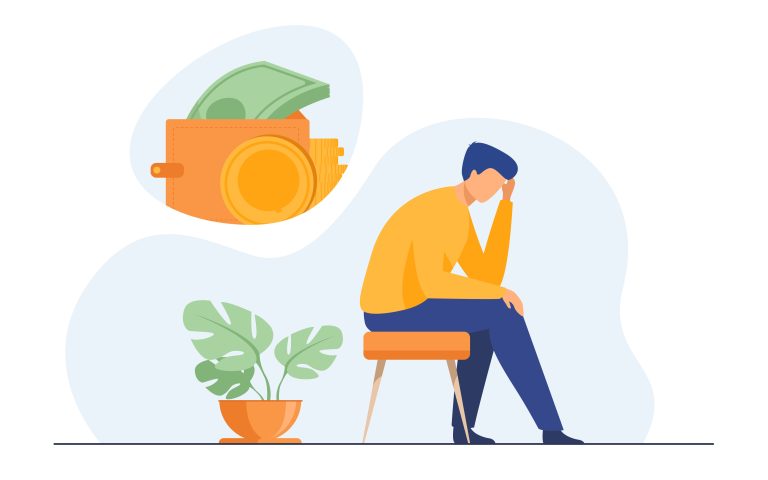
These days, spending money doesn’t feel as simple as it used to. Before you buy something or do something nice for yourself, there’s always that pause that almost everyone knows too well. That quick mental back-and-forth where you start weighing your needs against your wants, asking yourself if it’s the right time, if it’s responsible, or if you should just wait a little longer. And honestly, it makes sense because the cost of living keeps rising, and responsibilities don’t really give anyone breathing space. So even the smallest treat now comes with a bit of hesitation and sometimes even guilt attached to it.
And then there’s the other side of it.
The “YOLO, you only live once” voice.
The one that shows up especially when you’re tired or just done with being careful all the time. It tells you to just go for it, book the thing, buy the outfit, take the trip, enjoy yourself now, and worry about everything else later. And yes, sometimes people do exactly that, and it feels good in the moment, like a release. But what often follows is the return to reality, where bills are still waiting, responsibilities haven’t moved, and everything is still on you, and now you’re trying to do damage control.
So many people end up stuck in this cycle between two extremes. On one side, they hold back so much that they almost never enjoy the things they actually want, always waiting for a “better time” that rarely shows up. On the other side, they give in impulsively and then spend days or weeks trying to recover financially, promising themselves they’ll be more careful next time, only to repeat the same pattern when another opportunity or feeling comes up. Neither side feels good, and both slowly build pressure over time.
When something enjoyable is not accounted or planned for in advance, it automatically starts to feel like it is competing with survival needs, and that is where the guilt and overthinking really begin.
This is what you can do when you find yourself in this situation: instead of treating enjoyment like something spontaneous or accidental, it can be treated like something intentional. Something that is expected and prepared for, not something that has to be justified every time it comes up. When you give enjoyment a place in your planning, it stops feeling like a disruption to your finances and starts feeling like a normal part of how you live and spend.
For example, let’s say you’ve been thinking about taking a vacation or even just having a quiet staycation where you can properly rest and reset. Instead of waiting until the desire becomes urgent or until you somehow “find extra money,” you can plan for it gradually over time. You set aside small amounts consistently in a way that doesn’t disrupt your daily life and slowly build toward that experience without pressure or panic.
This is exactly where something like the Summer Savings Challenge on the Vale app becomes useful. It gives structure to what would otherwise just be wishful thinking. Instead of hoping you’ll have enough when the time comes, you’re intentionally building toward it in a way that is simple, consistent, and realistic. So when the moment finally arrives, you’re not scrambling or second-guessing it, you’re ready.
And that readiness changes everything about the experience itself. You’re not just taking a large chunk from your salary and feeling the weight of it afterward. You’re not delaying your break because you feel financially unprepared. You’ve already made space for it, so when it happens, there’s less noise in your head and more presence in the moment.
Enjoyment doesn’t need to be something you struggle with or feel guilty about. It just needs planning. When you plan for the things that make you happy, you stop treating them like mistakes. Only then do you start experiencing them like something you earned.
NOW TO THE NEWS
Nigerians Lose N134.48bn to Banking Fraud Between 2020 and 2025 – CBN
According to the CBN’s Payments System Vision 2028 report, Nigeria’s banking customer lost a total of N134.48 billion to fraud between 2020 and 2025. The losses occurred across several payment channels, including mobile banking, internet banking, ATMs, POS terminals, e-commerce platforms, and over-the-counter transactions, highlighting the growing challenge of securing digital financial services.
While fraud losses increased over the years as digital payments became more widely adopted, 2024 recorded an unusually sharp spike. The CBN attributed much of the increase to a major internal fraud incident, which significantly inflated total losses despite declines in some digital payment channels.
There was a notable improvement in 2025, with fraud losses dropping by more than 50% compared to the previous year. The CBN credits this decline to stronger regulations, enhanced monitoring systems, increased collaboration across the financial industry, and improved fraud prevention measures.
The report also shows that fraudsters continue to adapt their methods as payment habits evolve, shifting their focus across channels such as POS, ATMs, web platforms, and e-commerce. In response, the CBN’s Payments System Vision 2028 places greater emphasis on cybersecurity, consumer protection, and building a more secure and resilient digital payments ecosystem.
CBN Directs Fintechs, Banks to Disclose Ultimate Beneficial Owners
The Central Bank of Nigeria (CBN) has issued a new directive requiring fintech companies, banks, payment service providers, and other financial institutions to identify, verify, and disclose their Ultimate Beneficial Owners (UBOs). This means regulators now expect full visibility into the individuals who ultimately own or control these institutions, even where ownership is hidden behind complex company structures, investment funds, or offshore entities.
The move reflects a broader shift in regulatory focus from simply monitoring transactions to understanding control and influence within Nigeria’s financial system. As fintechs grow into key infrastructure providers handling large volumes of payments, the CBN is increasingly treating them as systemically important institutions rather than just technology startups.
For fintechs, this may introduce significant compliance challenges, especially for firms with foreign investors and multi-layered ownership structures spread across different jurisdictions. While such structures are common in global tech investment, they make it harder to trace ultimate ownership, which is exactly what the CBN is now prioritizing.
The directive also aligns with global trends where regulators are tightening oversight of critical digital financial systems to prevent money laundering, tax evasion, and illicit financial flows. Beyond compliance, it signals that future regulation may place greater emphasis on governance, ownership transparency, and control over strategically important financial platforms in Nigeria.
Nigeria’s External Reserves Hit $51.04bn, Highest in 17 Years
Nigeria’s external reserves have risen to $51.04 billion as of June 18, 2026, marking their highest level in about 17 years. The increase reflects sustained foreign exchange inflows and improved conditions in the country’s external sector, according to Central Bank of Nigeria data.
The reserves have shown steady growth throughout June, rising from about $49.80 billion at the start of the month to over $50 billion by June 5, before climbing further to $51.04 billion by June 18. This continued upward movement follows gains recorded in May, when reserves also increased by over $1 billion.
The CBN attributes the strengthening position to improved FX inflows and broader reforms in the foreign exchange market. The rise is also seen as a positive signal for macroeconomic stability, with the reserve buffer helping to support exchange rate stability and investor confidence.