
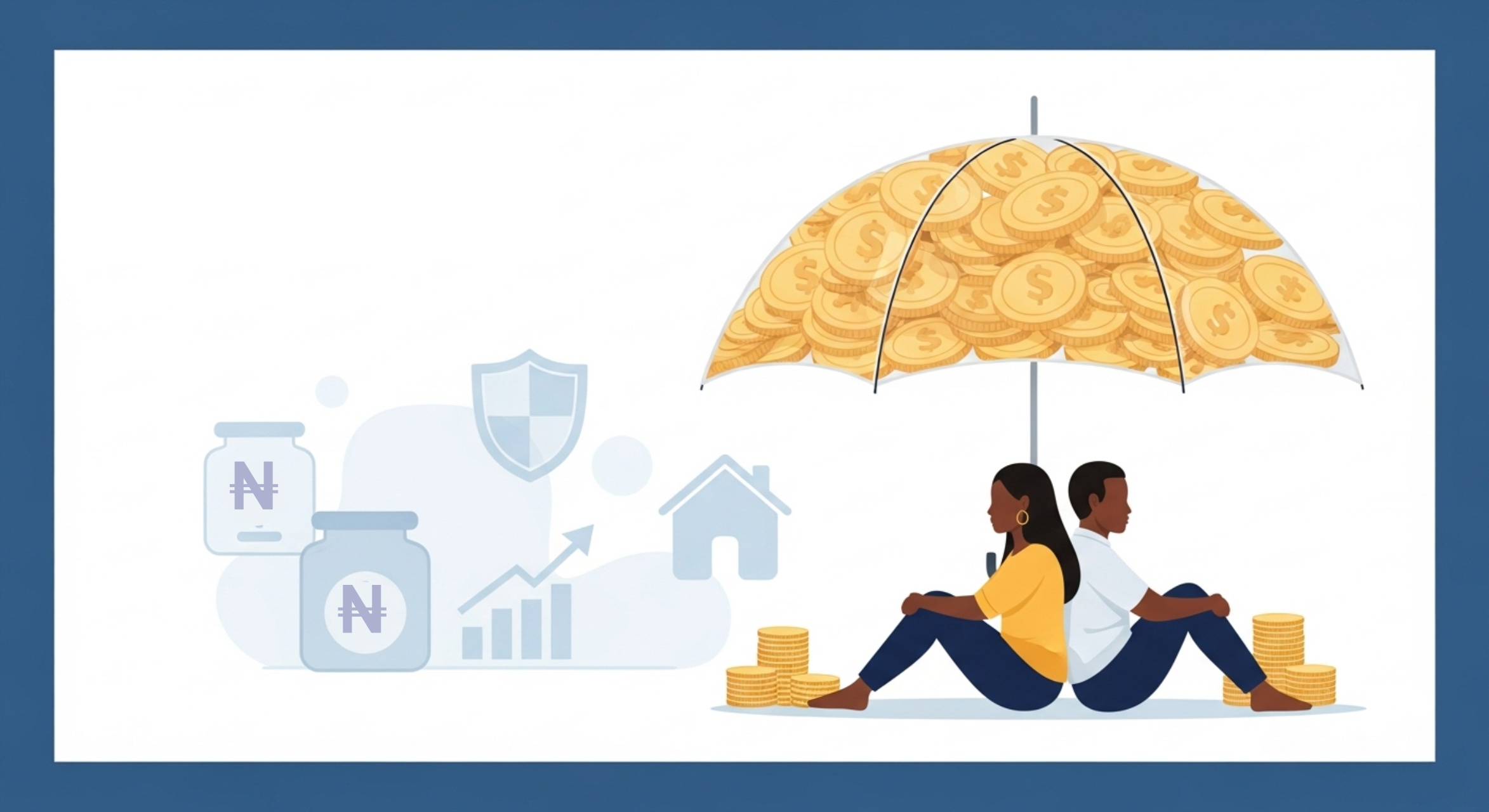
Recently, someone tweeted about almost dipping into their savings just to survive. In the comments, people were surprised that anyone was still able to save in this economy. It says a lot about how focused people have become on simply getting by, with saving often taking a backseat.

Have you ever found yourself wanting something you had barely thought about until everyone started talking about it? Maybe it was a phone, a fashion item, or a product people on social media could not stop talking about. Perhaps someone you know bought it and had nothing but good things to say. The more you heard about it, the more appealing it became. Suddenly, something you wouldn’t have considered became something you wanted to try. Psychologist Robert Cialdini explored this behavior in his work on persuasion, identifying social proof as one of the principles of persuasion. It describes our tendency to look at what other people are doing when deciding what to do ourselves, particularly when we are unsure.

There is a particular kind of awkwardness that comes with lending money to a friend or family member. You give them the money because they need it, agree on when they'll return it, and then the deadline passes. Suddenly, asking for your own money back feels like an uncomfortable conversation you don't even know how to start. Someone shared a story online that captured this perfectly. They had lent a friend some money, and when the agreed repayment date came, they reached out to ask for it back. The response was: “What do you need it for?”

Psychology professor Catherine Sanderson once put it simply: “We always think if we just had a little bit more money, we'd be happier, but when we get there, we're not.”
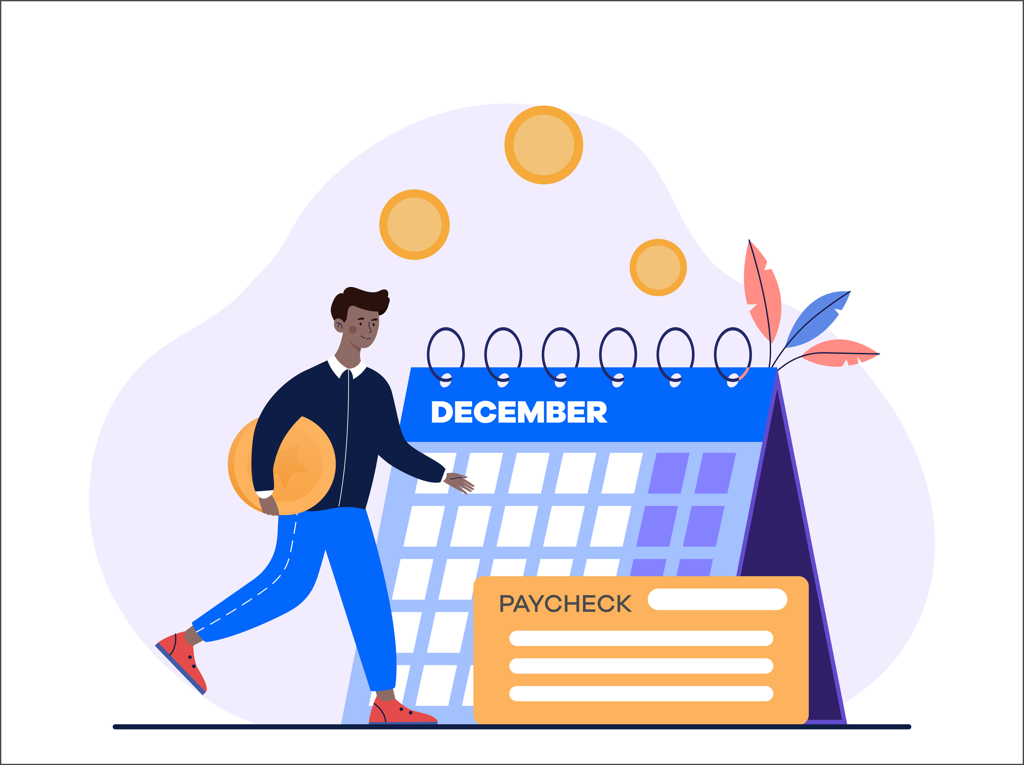
Ask someone how they are preparing for December and there is a good chance the answer will be, “I’ll just use my salary.” It makes sense. Salary comes every month, so what could go wrong? Quite a lot, actually.

There is a pattern around the ember months. As the year winds down, fraudulent activity and financial losses have historically shown spikes around this period. More people are spending, doing business and looking for ways to make money before the year ends. This is what the year-end rush creates. It creates an opening for scammers, giving them plenty of room to make a fraudulent offer look like exactly what someone needs.